Timber built Britain. From sash windows to front doors, it shaped our homes for centuries. Then, plastic arrived, and for a while, everyone thought that was progress.
Fast-forward to 2025, and things look very different. Climate targets, new building standards, and changing customer values are forcing us to rethink what “good” really means. Cheap and cheerful doesn’t cut it anymore. Durable, repairable and sustainable does.
And that’s where timber steps back in.
What does the new BWF report reveal about timber?
The Timber in the Home 2025 report from the British Woodworking Federation (BWF) lifts the lid on how both housebuilders and homeowners think about timber today. It’s based on insights from 150 housebuilders and 1,000 homeowners, so it gives a solid snapshot of current attitudes.
The verdict? Timber is still loved… but also misunderstood.
It’s widely used for staircases, doors, and garden buildings, yet many people still picture peeling paint and yearly sanding. That image is decades out of date. Modern engineered timber and microporous coatings have changed everything, but a collective effort from the industry is needed to make sure that public perception catches up.
Who are the BWF and why do they matter?
The British Woodworking Federation represents the UK’s joinery and woodworking industry. They set standards, champion apprenticeships, and make sure the voice of British manufacturing is heard where it counts – in government discussions on housing, climate and skills.
Right now, the BWF’s work connects directly to national initiatives like the Future Homes Standard, the Future Buildings Standard, and the Timber in Construction Roadmap (2025). Together, these set the path for how we’ll build the next generation of low-carbon homes.
BWF membership brings together the UK’s leading joinery manufacturers, timber window and door specialists, fire-door producers, installers, distributors and training providers. Together, we share technical knowledge, shape industry standards, influence regulation and strengthen the skills pipeline. As members, we gain direct access to accredited training, up-to-date guidance, regulatory insight and the collective lobbying power that comes from speaking with one informed, united voice.
Gowercroft is firmly part of that network. Our Managing Director, Andrew Madge, serves as President of the BWF and ensures the realities facing high-performing timber manufacturers are represented at the highest level. Through the Federation, we collaborate with peers, contribute to national policy discussions and help set the standards that will guide the future of British joinery.
It’s no exaggeration to say the Federation is helping define what the future of housing looks like and making sure that timber takes its rightful place at the centre of it.
How do people feel about timber windows and doors?
Timber is everywhere in British homes, but often as an inherited feature, quietly performing in the background. The BWF Timber in the Home 2025 reflects this notion when it refers to timber as “passive presence” rather than an “active preference” in most homes.
An example of this is that 66% of homeowners reported having timber staircases – a component that often remains unchanged without huge renovation works. However, the contrast is striking when it comes to windows and doors, with only 14% reporting these in their homes.
Despite the fact that timber was the default choice for windows and doors for centuries, the rapid rise of PVCu in the 1970s has changed the landscape so sharply that many homeowners no longer consider anything else. Timber has ended up in the role of the eccentric older relative at the family gathering. Everyone knows they have always been there, and everyone assumes they are lovely but probably a bit set in their ways. People quietly take the important jobs away from them, not because they cannot do them, but because of long-standing assumptions about their age and supposed “high maintenance”. The irony is that modern engineered timber is more than capable of keeping up. It is the relative who has the sharpest mind in the room, but everyone forgets to ask.
How do development budgets affect whether timber is specified?
Windows and doors are not background items in a development budget. They are some of the highest-value components in a new home, and the BWF Timber in the Home 2025 report reflects this clearly. Even the smallest schemes of one to five homes typically allocate around £100,000 for windows and just under £80,000 for doors, with similar spend on staircases. On mid-sized developments of 21 to 50 homes, those figures rise to £159,000 for windows and £162,000 for doors, alongside £155,000 for staircases. On major sites with more than 150 homes, investment climbs again to £478,000 for windows, £288,000 for doors and £375,000 for staircases.
These figures show just how vital windows and doors are to both performance and design. Yet the materials used are still often chosen on cost rather than longevity, efficiency or style.
Why is timber rarely chosen for large new-build developments?
As developments get larger, overall window and door budgets increase, but the budget per unit drops sharply. On the biggest sites, developers may allocate £478,000 for windows and £288,000 for doors, yet when this spend is spread across more than 150 homes, the priority naturally becomes keeping the cost per plot as low as possible. This is why PVCu dominates. It is mass-produced, uniform and inexpensive at volume, which fits neatly into a model built around predictable margins rather than long-term performance.
Timber is not overlooked because it cannot meet regulations or deliver efficiency. It is sidelined because it does not match the low-cost-per-unit structure that drives decision-making on large sites. When hundreds of identical homes must be delivered quickly, the pressure to standardise pushes decision-makers towards whatever keeps headline costs consistent.
There is also a growing risk in the number of cases where timber is still used but at PVCu-level budgets. These products are rarely well-engineered British joinery. Low-cost imports often have inconsistent quality, limited testing and short lifespans. These low-quality examples do not represent the timber sector or its capabilities. Instead, they represent a race to the bottom that damages trust in a material that, when manufactured correctly, outperforms the alternatives on durability, repairability and long-term value.
Are we focused on the wrong kind of cost?
Housebuilders told the BWF that cost is still their top priority when specifying products. Around one-third said it trumps all other considerations, followed by energy efficiency and safety.

This makes sense in the short term, but not in the context of the Future Homes Standard, which will require all new homes to be zero-carbon ready by 2025. The Future Buildings Standard for non-domestic projects is targeting a 27% carbon reduction. Cheap, short-lived materials simply don’t fit into that picture.
The irony is that many still see timber as a “luxury” or expensive option when it is often the most practical one over a building’s lifetime. PVCu might look cheaper at first glance, but with rising landfill costs and poor repairability, that value quickly disappears.
A window that needs replacing every 20 years isn’t really cheaper than one that lasts 70+. It’s just someone else’s problem later.
Is the lack of homeowner interest a barrier to specifying timber?

Many specifiers believe homeowners are simply not asking for timber. In fact, 53 percent list “low consumer demand” as a key reason for rarely or never specifying it. That figure raises an important question. Is this really a reflection of homeowner preferences, or is it an assumption that has gone unchallenged?
The homeowner data in the BWF report tells a very different story. When people talk about what they value, their answers align closely with timber’s strengths. Thirty-seven percent describe timber as the most attractive material, ranking it higher than PVCu, aluminium and all other alternatives. Fifty-three percent say it is the best choice for heritage or character homes, and 43 percent appreciate that timber can be repainted to refresh its appearance. These are not the responses of a market that lacks interest. They are the responses of a market that has not been shown enough modern timber options.
The barrier is not a lack of desire from homeowners. It is a lack of visibility and understanding. People cannot choose what they are not offered, and developers will not specify what they assume homeowners will not value.
Why does timber matter for net zero?
According to the Timber in Construction Roadmap (2025), using more timber is essential if the UK wants to decarbonise construction. Timber doesn’t just reduce emissions – it locks carbon away for the lifetime of the product.
Every window or door frame we make is a tiny carbon store that helps offset the footprint of a building. Combine that with durability and repairability, and timber easily outperforms PVCu or aluminium on lifetime impact.
At Gowercroft, we work with Derby University to analyse our products through cradle-to-grave lifecycle assessments. The data shows that our timber windows and doors are carbon negative. In other words, they absorb more carbon than they emit.
Why are mid-sized developments the strongest opportunity for timber?
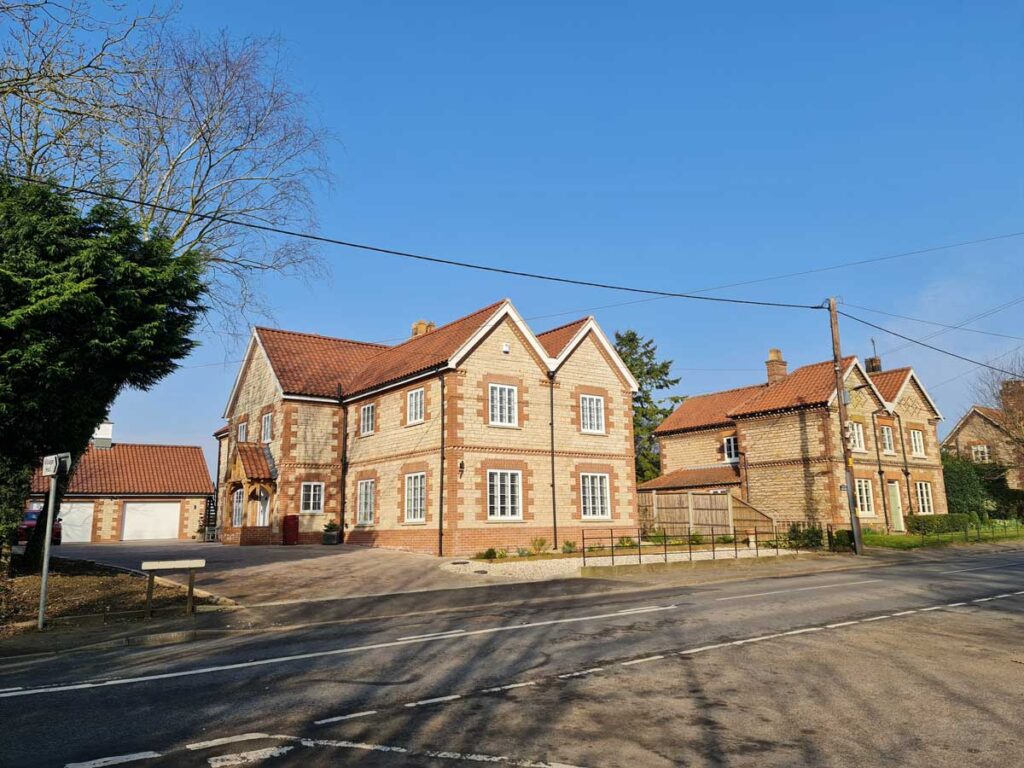
The BWF report shows that more than 66 percent of planned developments over the next two years fall within the 6 to 50 home range. These mid-sized schemes are large enough to influence wider market behaviour but small enough for developers and architects to prioritise quality, character and long-term performance.
Importantly, the budget per unit is higher on mid-sized sites than on major volume-led developments. There is more space for thoughtful specification and more interest in materials that offer architectural character, durability and sustainability. This makes timber a natural fit. It performs strongly, it aligns with low-carbon construction goals, and it provides the design flexibility these projects often demand.
Mid-sized developments are also where decision-makers have greater control. They are less constrained by mass-production economics and more open to specifying materials that improve comfort, longevity and aesthetic value. This is where timber can deliver its full potential.
What do specifiers prioritise when choosing windows?

When it comes to windows, housebuilders prioritise function above everything else.
The BWF Timber in the Home 2025 report shows that Cost and energy efficiency sit jointly at 33 percent, followed by safety at 27 percent, aesthetic appeal at 25 percent and maintenance needs at 21 percent. Windows are treated as essential, functional components that must keep the home comfortable and compliant, which explains why practical considerations rise above design details at the decision stage.
Cost plays a large part in this. Specifiers simply want something that works, fits the budget and promises minimal future hassle. Timber can meet all of those needs, but long-standing assumptions about maintenance and lifespan can make it appear more complicated or costly than it really is. These misconceptions still influence choices, even though modern coatings and engineering have changed the picture completely.
This creates a gap between what homebuilders say they want from windows and what they believe different materials can deliver. Timber already leads on warmth, character and personalisation, yet outdated perceptions continue to shape behaviour. The deeper cost and performance arguments sit within those misconceptions.
Specification also sits at the centre of a balancing act. Housebuilders must weigh cost and profit margins against compliance targets, while second-guessing what they think homeowners will value. This risk-averse mindset often pushes them toward familiar, mass-produced options rather than materials that deliver better comfort, sustainability and long-term performance. Timber loses out not because it falls short, but because specifiers assume homeowners will not recognise its advantages.
What do homebuilders look for most in a front door?
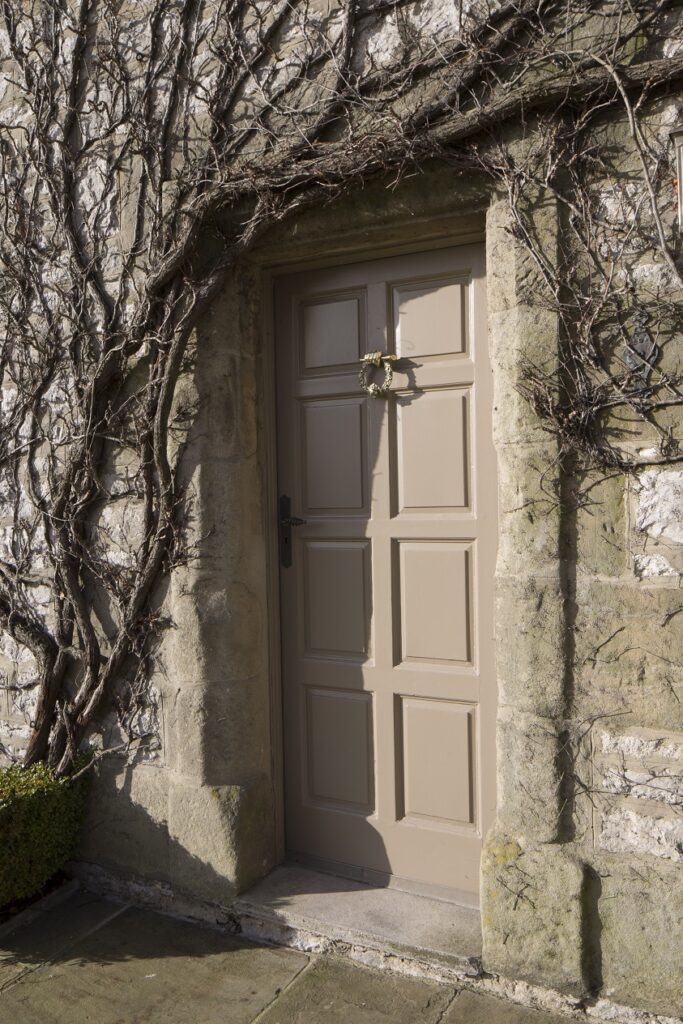
Specifiers prioritise appearance above everything else.
While windows are chosen for function, front doors are chosen for their visual impact. Aesthetic appeal sits at the top at 34 percent, with cost and safety not far behind at 33 percent and 31 percent. In contrast, sustainability and energy efficiency rank far lower at 19 percent and 15 percent.
The report puts it simply:
“Doors are one of the most visible elements of the home’s exterior and contribute significantly to kerb appeal.”
This creates a very different decision-making pattern compared with windows. A window is judged as a practical necessity, whereas front doors feels personal, expressive and tied to identity. That emotional pull is strong, but it can overshadow the fact that a door plays a crucial role in overall home performance.
Poorly performing doors leak heat, let in noise and compromise comfort just as significantly as a badly fitted window. Yet many specifiers unintentionally overlook these performance factors because the focus is so heavily on appearance and first impressions.
Specification comes down to a balance of cost, margin and compliance, shaped by assumptions about what homeowners want. Many developers believe customers prioritise looks above all else at the front door, so performance falls down the list. That assumption pushes them toward cheaper, mass-produced systems rather than high performing timber doors that offer both visual impact and long-term comfort. Timber is not excluded for lack of ability. It is overlooked because specifiers underestimate how much homeowners value solidity, warmth and day-to-day comfort.
Why do developers prioritise door security over energy performance?
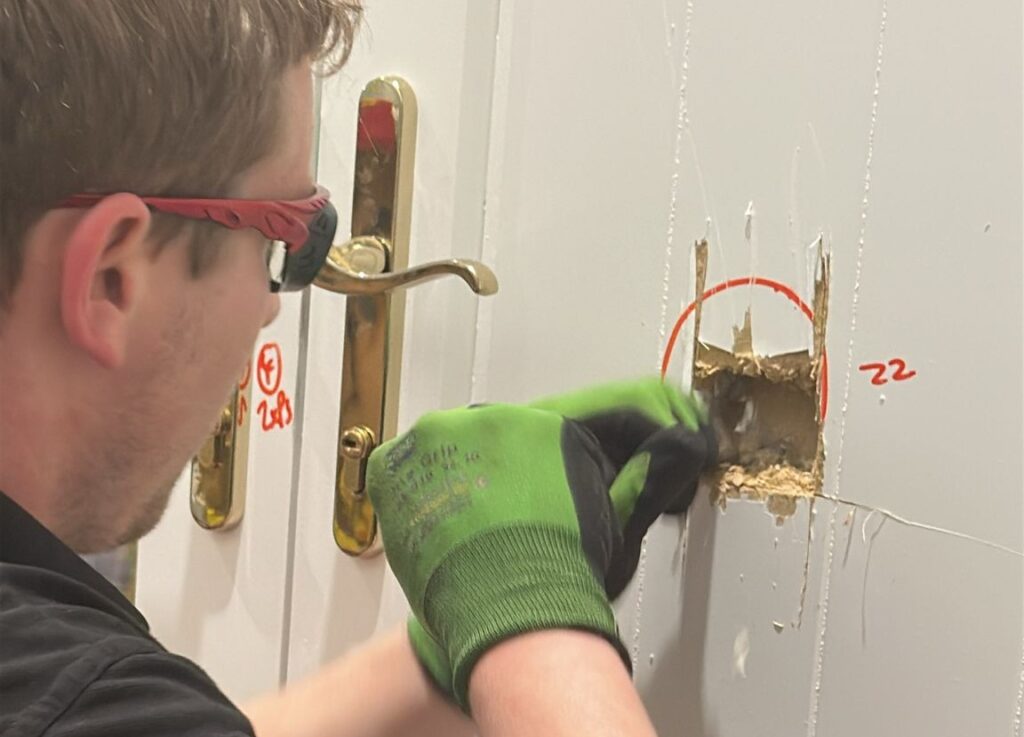
There is another notable pattern in the BWF data. Homebuilders place far more emphasis on door security than on sustainability or efficiency. The security of a door is seen as a defining feature of home safety, even though the overall number of potential entry points through windows is much higher.
This security-first mindset makes sense for two reasons. First, is compliance. In England, new homes must meet Building Regulations Part Q, which sets mandatory standards for resistance to unauthorised access. Doors must be tested, certified and proven secure, so security naturally becomes one of the defining performance requirements at the specification stage. Second, is the assumption about the emotional drive of homeowners. A front door is the symbolic “gateway” to the home, so homeowners instinctively judge it by how safe it feels. The challenge is that this instinct often pushes essential performance factors further down the list. A door with poor sealing or weak thermal performance can increase heat loss, create draughts and weaken acoustic comfort. When multiplied across developments, these choices can have a significant impact on energy bills and everyday living.
This is exactly where the industry needs to push for change. No one is suggesting security should matter any less, but it should not eclipse the other qualities that make a home comfortable, efficient and pleasant to live in. A well-designed door can be secure, attractive and highly insulating at the same time, yet this fuller picture is often lost in the rush to meet compliance and instinctive expectations. Both developers and homeowners need clearer guidance on how doors contribute to thermal efficiency, airtightness and acoustic comfort, not just safety. Raising the profile of these performance factors is essential if we want doors to work harder for the people who live behind them.
What are the biggest misconceptions about timber windows and doors?
The BWF Timber in the Home 2025 report exposes a clear pattern. People like the idea of timber yet doubt its performance. Only a small minority see it as energy-efficient, long-lasting or secure, even though many more consider it the most attractive and heritage-appropriate material. Here are the biggest misconceptions still holding timber back.
“Timber is not energy efficient.”
Only a small proportion of homeowners believe timber delivers strong energy performance, even though it is a natural insulator. Modern engineered frames paired with high performance glazing can meet and exceed regulatory targets. With vacuum glazing, whole-window U-values can fall below 1.0 W/m²K, rivalling or outperforming PVCu and aluminium.
“Timber has the shortest lifespan.”
A small minority believe timber lasts longest, yet the opposite is often true. Accoya and engineered Red Grandis offer exceptional durability and stability, delivering service lives of 50 to 60 years or more with sensible care. Timber can be repaired and refreshed. PVCu is typically replaced after 20 to 25 years and is difficult to recycle at scale.
“Timber is less secure than PVCu.”
A significant majority believe PVCu is safest. In practice, modern timber windows and doors meet the same security standards, including Part Q and PAS 24. Dense, solid frames, laminated glass and high-quality locking systems make timber an equally secure choice.
“Timber is high maintenance.”
This misconception is rooted in old single-glazed frames with brittle paint. Today, high-performance microporous coatings flex with the timber and resist cracking or flaking. Repainting requires no sanding, only a clean, key and recoat. With Gowercroft’s servicing support and the optional Timbacare programme, upkeep is light and predictable.
“Homeowners are not interested in timber.”
More than half of specifiers cite low consumer demand, yet the wider data tells a different story. Homeowners consistently rate timber as the most attractive material, the best for heritage settings and appreciate that it can be repainted. The issue is not lack of interest. It is lack of visibility. People cannot choose what they are not offered.
“Timber is only for heritage projects.”
Timber excels in conservation areas and listed buildings, but modern engineered timber is equally suited to new build, deep retrofit and mid-sized developments seeking strong sustainability credentials. This is not a niche material. It is a future-ready one.
“Doors are all about aesthetics, so performance does not matter.”
This belief is reinforced by specifier priorities, where appearance outranks energy efficiency and sustainability. The assumption that a beautiful door need not perform is a major misconception. A poorly insulated or weakly sealed door can leak heat, let in noise and undermine comfort across an entire home. Timber doors can be secure, visually striking and highly efficient at the same time. Performance and design are not alternatives. They coexist.
“Timber is a luxury, not a practical choice.”
Upfront cost often drives this perception, but whole life value tells a different story. Timber lasts longer, can be repaired instead of replaced and carries strong environmental credentials. PVCu may be cheap initially, but frequent replacement and disposal create higher long-term costs. Gowercroft’s Lifecycle Assessments and Environmental Product Declarations make these benefits transparent.
These misconceptions matter because they shape real decisions: what specifiers choose, what developers offer and what homeowners believe they can have.
Until they are challenged, timber will continue to be judged by its past rather than its proven performance today.
How can the timber industry change perceptions of modern timber?
The BWF report ends with a clear message: outdated perceptions need to be challenged. Timber is not a niche material. It is a mainstream, high-performance option that aligns with the UK’s housing, sustainability and net-zero goals.
Mid-sized developments remain the strongest opportunity to lead that change. They are big enough to influence the wider market, yet agile enough to specify responsibly. Budgets per unit are higher, design ambition tends to be stronger and there is more room to prioritise long-term value over short-term margins. When these projects choose timber, they show what quality looks like and raise expectations for everyone else.
Specifiers need clearer support.
Better technical guidance, stronger evidence and high-quality CPDs help challenge long-standing assumptions about maintenance, security and energy efficiency. With the right information, specifiers can choose based on whole-life performance rather than habit or inherited perceptions.
Homeowners need visibility.
They cannot ask for what they are not shown. Modern timber rarely sits beside PVCu at the point of decision, so PVCu becomes the default through familiarity rather than merit. When people are shown the reality – durability, repaintability, repairability, and day-to-day comfort – passive acceptance turns into active preference.
Responsibility cannot fall to individual manufacturers alone.
A coordinated industry voice (shared PR, aligned messaging and collective education across BWF membership and the wider timber industry) will shift understanding far faster. When architects, joiners and sustainability experts reinforce the same evidence, timber stops looking like an “alternative” and starts looking like the natural choice.
The path forward is simple: make timber more visible, make its performance clearer and challenge assumptions wherever they appear. Timber already meets the standards the UK is moving towards. Now the market needs to recognise it.
What role does Gowercroft Joinery play in the modern timber sector?
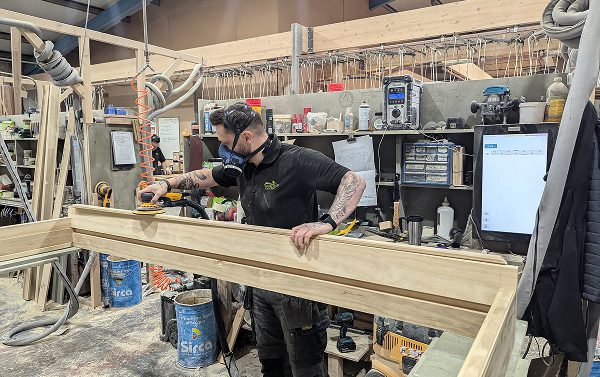
Our role extends far beyond manufacturing windows and doors. We are a key cog in the movement pushing timber forward: raising standards, challenging outdated assumptions and demonstrating through technical innovation what modern timber can achieve.
How is Gowercroft influencing national timber standards?
We lead from within the sector. Our Managing Director, Andrew Madge, serves as President of the British Woodworking Federation. Several members of Team Gowercroft contribute to specialist panels, for example, heritage and apprenticeships, and we take part in industry initiatives such as mock trials and technical working groups that help shape national guidance. This involvement matters. It means the realities facing high-performing timber manufacturers are represented at the highest levels, and it allows us to advocate for better practice across the whole supply chain.
How is Gowercroft driving technical innovation in timber?
We lead through engineering. Gowercroft pioneered vacuum glazing in heritage applications long before the rest of the industry caught up. We refined our timber choices to Accoya and engineered Red Grandis for stability and longevity. We developed a microporous coating system that flexes with the timber (so it does not crack or flake) and we design our products for airtightness, repairability and long service life. Every improvement is backed by Environmental Product Declarations and cradle-to-grave lifecycle assessments, giving complete transparency and confidence.
How does Gowercroft guarantee long-term performance?
Our confidence is reflected in our warranty. Every Gowercroft window and door carries a 10-year no-quibble, no-small-print, no-maintenance guarantee. And if the homeowner joins our Timbacare programme, the guarantee extends indefinitely. Very few manufacturers can offer this, because few build products designed to last that long.
How are we supporting British Skills for the future?
We take the same long-term approach to people. We are proudly Made in Britain certified, and we invest heavily in skills and training. As members of The 5% Club, we commit to developing the next generation of British makers, but we go far beyond the baseline. At any one time, around 13 percent of our workforce is in formal training or an apprenticeship, from entry-level bench joiners to management and leadership programmes. Many stay with us and progress through the business, strengthening the skills pipeline our sector depends on.
How does Gowercroft support architects and specifiers?
Education sits at the heart of our work too. Our CPDs give architects and specifiers the clarity they need in a market full of misconceptions. Our PR, award entries and social storytelling challenge poor practice and celebrate evidence-based timber performance. And our vacuum-glazed timber products can be seen permanently at The Building Centre in London, allowing visitors to experience high-performance timber in situ rather than in theory.
What does Gowercroft’s approach mean for the future of high-performance timber?
All of this reflects a simple truth. Gowercroft is not just a window and door manufacturer. We are one of the UK’s leading innovators in timber design and sustainability, proving that modern timber is not a nostalgic choice. It is a future-ready material that aligns with national housing goals, delivers comfort and character and performs brilliantly over a building’s lifetime.
If you’d like to talk about specification, sustainability or partnership opportunities, contact our team.